
Playlist pt. 2 – A curated list of favorite songs, from each album I listen to, updated as I listen.
Map – With a link to each album (if possible) marked in some referential geographical location.
I went for a deeper immersion this week and made the Brazilian dish Feijado. A black bean stew with lots of meats in it. Mine came out a little redder then it should be because of the type of chorizo I used, but it tastes great.
This time period is a tumultuous one in Brazil. Caetano and Gilberto are both thrown in jail for 3 months, not specifically because of their lyrics, or protests, but more because of a politically negative view of Tropicalia’s intent. They then both left in exile, ending up in Europe and making records in England. Their last Brazilian albums of this time are of them recording their songs individually and then having the rest created separately in a studio. Both also suffer a post-exile depression. The political regime remains in power for the next 2 decades.
I added in a couple of albums that I have yet to actually collect because they seem like essential listening. Rolling Stones top 100 Brazilian Albums. This time period is intensely creative and I’ve already discovered several of my favorite all time recordings so digging further feels valuable.
Caetano Veloso – “Caetano Veloso” (1969) & (1971)- I decided to compare these 2 self titled albums them being pre & post exile.
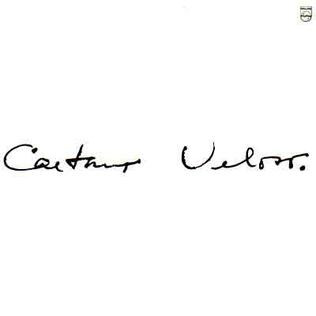
The 1969 album is following the paths of the late 60’s psychedelic pop, but it feels lighter and less sludgy. Caetano sings several songs in English, which is something to note as more and more instances of introducing some non-portuguese material are occurring. This album has a lot of range with an eclectic range of songs in different styles. Caetano offers mastery of all these situations.
“The Empty Boat” This song offers some nice instrumentation and psychedelic sound scapes + a little bass clarinet too. Though this song is in English I’m having no issues with most of these songs being in a language I don’t speak. I expect that music is less popular when it is not in the audience’s language, but I wonder about the popularity of Brazilian music in Portugal?
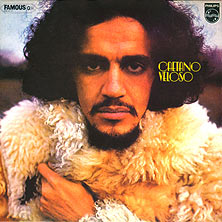
The 1971 album is sung mostly in English. The album is autobiographical about this moment in Caetano’s life, very sad, missing his home and family. The 4th song “Maria Bethania” for and about his sister. It might have been a form of letter to her.
“In The Hot Sun Of A Christmas Day” This is not necessarily my favorite song from this album but the juxtaposition of feelings here is hard to avoid. It offers a clear outline of his depression.
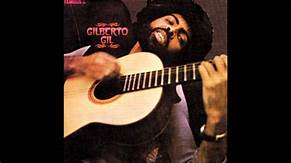
Gilberto Gil – “Gilberto Gil” (1971) – Like Caetano’s previous album this is recorded in London and mostly in English. It is a more Gliberto + guitar album. Very chill and relaxed, compared to the first exile albums it feels happy or at least content with the situation, though the lyrics are still pretty incisive and critical. It features a couple of popular cover tunes.
“The Three Mushrooms” – This captured my imagination and is an interesting almost letter home/fable type of song. Weird but cool song.
“Up From the Skies” – Hendrix, very interesting cover choice.

Gal Costa – “Legal” (1970) – All of these albums are very stylistically eclectic, incredible performances and expert musicianship and have wonderful conceptual elements, this Gal album is similar though the Rock elements feel less effective to me. Previously I describe her voice as “cute” but powerful, here she has many screamy moments and shows off that side of her voice a lot. It doesn’t really get me in the guts as much here and I’m a sucker for the eclectic playlist but here it doesn’t gel as much.
“The Archaic Lonely Star Blues” – The title alone pretty much tells it.
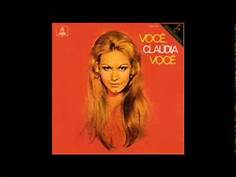
Claudya – “Voce Claudia Voce” – Maria das Graças Rallo, or Claudia, or Claudya, or Claudya Oliveros! She sang “Don’t Cry For Me Argentina” for the 1982 film “Evita”. The album is “Popa Nova” – Pop Orchestras mixed with Bossa Nova classics and BIG vocal performances. It is somewhat of a return to those early Elis Regina and Maysa albums.
“Macumba” ?! Wow wild arrangement! Love how weird this is despite the record being a Pop vocal showcase.
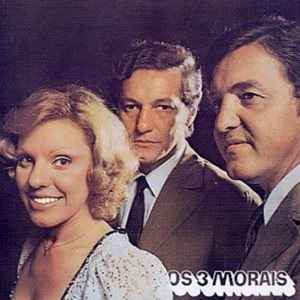
Os 3 Morais – “Os 3 Morais” – No lie, their first album is also “Os 3 Morais” and their 2nd album is “Os 3 Morals vol. 2″! Brazilian sound journey or librarian’s nightmare?
This album is wonderfully played cheese. A family vocal group, very loungey arrangements, a little vocalese and it definitely sounds like a good pick for an Austin Powers playlist.
I can’t think of many family musical groups where the brother and sister singers are combined, except the TV ones like the Partridges, or the Bradys. The Jackson 5 even had the talented sisters but didn’t mix it up.
Bonus, multiple Bach influenced vocalese pieces!
“Odeon” – Smother in that cheese! That said, this is very enjoyable cheese which has a place in my heart.
“Desafinado” – That’s a crazy arrangement of “Desafinado”! And the playing on this album is cheesy but also exceptionally well performed.
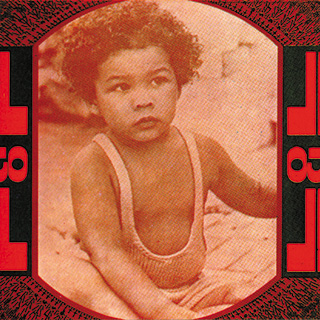
Gilberto Gil – “Expresso 2222” – His return to Brazil, after 3 years of exile and named after a train he used to take when he was younger. This is a pretty joyous album and feels more focused – I think the exile feelings were artistically distracting yet I’m not sure the situation at home had changed or became any more favorable.
“O Canto Da Ema” – Cool song a little proggy and the keyboard sounds feel new. It feels a little “alien time capsule” for 1972 and is very perky. I like the solo section which also feels experimental. Most of the songs before this have been shorter and have great instrumental sections but rarely anything solo-like.
“Sai Do Sereno” – I love the sound palette here. Shiny and metallic, fast and crisp with something child-like at its center. Great drums too!
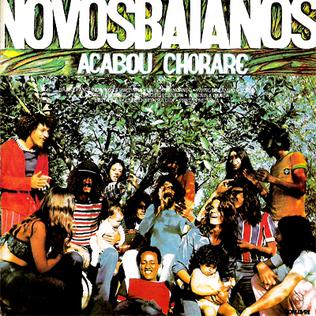
Novos Baianos – “Acabou Chorare” – From 1972 and I’ve never heard of the band, the album or the songs before now, but it was listed the greatest Brazilian album by Rolling Stone. They are considered “MPB” which means Popular Music of Brazil. MPB includes all the styles of Brazilian music being used in popular musical settings.
Conceptually this band was attempting to exchange the sadness & melancholy of earlier Brazilian music for joy and excitement. This is one of the first recordings that is not centralized in the urban areas: Rio, Salvador or London.
There is some tasty guitar work throughout the album. It is well recorded and though I can sense it being a classic, it doesn’t hit me as hard as some of the prior albums.
“Mistério do Planeta” This song seems to mix, and layer, all of the different directions on the album into one song. The guitar solo reminds of Tom Verlaine.
“A Menina Dança” Great energy here and my hot take here is that Brazilian’s are way more gender inclusive in their bands, as many of these bands have a mix of men and women in them.
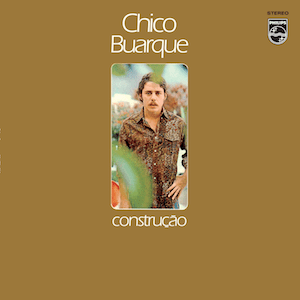
Chico Buarque – “Construção” – This is one of my favorite recordings. Beautiful songs, beautifully arranged, perfect performances, perfect moment somehow captured pristinely. It’s a mini epic. That’s the complaint it’s too short to be called an epic.
It is a conceptual album and the songs are in a specific order. Tom Jobim guests on a song. Musically this falls under the MPB category.
“Construcao” – Very epic. The vocal harmonies are from a different planet.. The horns here are “Gotham in Brazil” or “Batman in Bahia”, it gets really intense. Very different from the rest of the album. And interestingly placed in the middle, it would end the first side of a record and be followed by side 2 which is softer.
It’s called the greatest Brazilian song in a Rolling Stone magazine list and feels like something Mingus might compose.
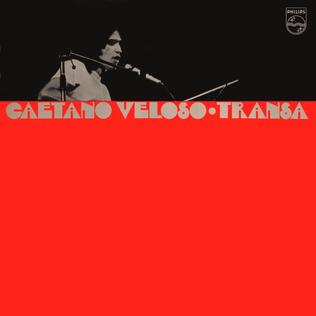
Caetano Veloso – “Transa” – Recorded in London, but Caetano returns to Brazil by the time this record was released. I wonder why they both exiled to London? The Beatles influence? Or was it for other reasons or perhaps influenced by the government itself?
“Triste Bahia” – Nice accelerando at the end to epic effect.

Milton Nascimento & Lo Borges – “Clube da Esquina” – Not exactly Milton’s album “Clube Da Esquina” (“Street Corner Club”) was an artist collective and this beautiful recording was the first documentation. The collective was regionally more inland where Milton had moved to in Tres Pontas. It is a double album, with lots of songs. They have a really sunny vibe reminds me of California with fabulous chord changes.
This is another new favorite, I want to post each song onto the playlist but it’s just go check out the whole album time I guess. “Clube da Esquina”
“Cais” – So gorgeous.I have heard it before but I really only remember the ending piano vocal part most clearly.
“Dos Cruces” – Epic.
“Um Gosto de Sol” – I’ve heard this one before too, the string parts stick out for me. Now I am wondering where I heard it before? The cover photo is also familiar. Someone played it for me but I think I was more interested in the person, than the music, at the time. A long lost memory returning.
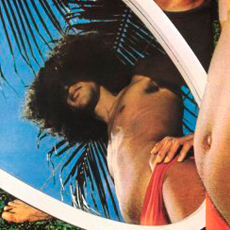
Caetano Veloso – “Araca Azul” (1972) – The title means “Blue Cattley Guava”. Recorded in El Dorado Studio (Sao Paolo, Brazil) on the only 8 channel recording device in Brazil. It is an experimental solo, Folk album.
It starts off pretty weird too. The second track is comparable to the Beatles “Revolution #9” or the voice edited orchestration that Glenn Gould experimented with and more modernly Bjork or Zorn. The first track is only a 50 second traditional song it takes 4 songs before a groove locks in with normal vocals.
It’s playful stuff but I can understand it being misunderstood at the time and it wasn’t a very financially successful album.
“Sugar Cane Fields Forever” Is an impressive sound collage. Moments remind my of Henry Threadgill’s “Carry the Day” but with a singer songwriter approach mixing with bigger ensemble moments and more tape manipulation.
“Epico” It’s just in my bag, my type of song.

 Found Sounds
3 thoughts on “April in Brazil, Part III: Exiles”