Map – With a link to each album (if possible) marked in some referential geographical location.
Playlist pt. 3 – Selected tracks from the albums in listening order.
This is still the early 70’s around when I was born 1973. I have been spending the last few years listening to music from then. I feel a sense of familiarity even with music I haven’t heard before. Partially it is the music that is around us when we are still forming and unaware. Partially it is the way things sound different in different time periods and thus the 70’s sound is how I am wired. That affinity is continuing with this Brazilian music.
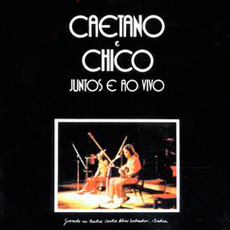
“Caetano & Chico – Juntas e ao Vivo” – Live albums often become another form of Greatest Hits album, unless they are supporting a new recording, but also capture the Live performances. It becomes a double selling point, at this time with these recordings it seems common to be collaborative albums too. Caetano has many “Live with” albums. “Movements” differ from “transitions” in music because of collaboration and adopting each others materials and practices. This is a beautiful combination of both artist’s work. Stripped down. I’m starting to recognize the songs. The political issues are still at hand and they crescendo the audience’s screams at certain points to cover up any iffy lyrics.
“Atrás Da Porta” Buarque – Amazing song!
“Voce Nao Entende Nada / Cotidiano” Veloso – Amazing songs!
“Barbara” – Buarque (not Veloso) – Why not another!
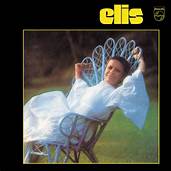
Elis Regina – “Elis” (1972) – She is my favorite, but there are 7! “Elis” albums between 1966-1980. This is another favorite album of mine. It is layered with a little electronic & strings cheese, but is still a great album. It’s unfair that she can both glide across uptempo tunes and really evoke deep emotion on a ballad. There is an earlier solo version of “Aguas De Marco” and another collection of great songs across the spectrum of Brazilian music.
“Atrás Da Porta” – Just recognizing this, or recalling it, from “Caetano & Chico” – I’ve had “Elis” for many years. Crazy song!
“Cais” – Beautiful! I am also re-recognizing this, Nascimento’s “Cais” from “Clube De Esquina”. Though here the strings are intro rather than exit.
“Pier” (Milton Nascimento) Lyric translation:
For those who want to break free
I invent the pier
I invent more to avoid loneliness
I invent the beaming new moon
I invent love and I know the pain of falling in it
I wanted to be happy
I invent the sea
I invent the dreamer in me
For those who want to follow me, I wish more
I have the path of what I’ve always wanted ¹offshore
And a sloop ready to sail
I invent the pier
And I know when to set off ¹without a trail
https://lyricstranslate.com/en/cais-pier.html-0
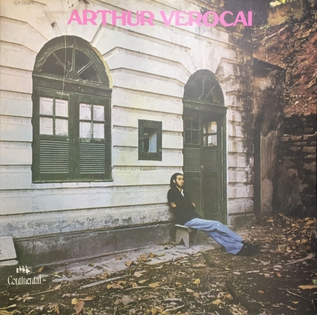
Arthur Verocai – “Arthur Verocai” – This a random album I bought 2 decades ago at 9th St Music. I haven’t heard it in awhile, but it is a legendary crate digger classic, sampled a bunch and it fits right in. I recall severely out of tune, but interesting, saxophone that bothered my Jazz purist mentality at the time. This was a “cool cover” purchase, my favorite kind, it usually pays off! Arthur looks like a ghost on the cover of his album and it is a collection of interesting songs with ok vocals. I have heard a hint of Zappa in some of these recordings, but I questioned how available Zappa would be in Brazil, here in the liner notes Verocai listed him as someone he listens to.
“Presente Grego” – He has a pretty distinctive style in his horn parts, they rip – I honestly think it is the flute player in the mix creating some of that drama.
“O Velho Parente” – Check that flute here again. And the dripping keyboard sound.
“Karina (Domingo no Grajaú)” – Solos! And Nivaldo is in tune on tenor here, where Oberdan was not on track #2.
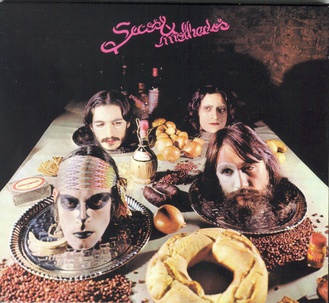
Secos & Molhados – “Secos & Molhados” (I) – They have 4 of these albums with the same self title…. Never heard this, or of them. It is considered one of the greatest Brazilian albums. From the images and live clips I’m hoping this has a Brazilian Bowie vibe….
Later, maybe the early hippie Bowie, but I was hoping for some heavier electric guitar riffs. Good songs, but they are all pretty short and yet kind of Jammy feeling at the same time. When the Rock elements sound too “Rocky Horror Picture Show/Meatloaf” I enjoy them less, happens here a few times.
“Assim Assado” – There it is. Fuzzy nasty guitars mixed with some ocarinas and a funky beat. I’m here for that.
“El Rey” – Short and sweet.
Elis Regina – “Elis” (1973) – Arranged by Cesar Camargo Mariano considering how much I have been loving the arrangements it is good to hear who is behind some of them. Also he is Elis’s 2nd husband and his first group Sambalanço Trio had Airto as a founding member. The eclecticism in these recordings is one of the things I love most, on one end foreign, alien sound scapes on the other familiar sounds refracted in surprising ways. The recording is lush and glowing.
“O Cacador De Esmereldas” – Beautiful layered arrangement.
“Agnus Sei” – Her voice. And her restraint… The drums too.
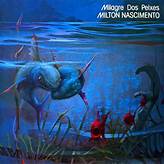
Milton Nascimento – “Milagre dos Peixes” (1973) – Dreamlike. I associate a lot of vocal melodic sounds, vocalese, with Nascimento. Here several of the instrumental songs originally had lyrics and were censored by the government. Instead of changing the lyrics Milton used the vocalese approach, so it wasn’t always an aesthetic decision on his part. It also make sense that he was readily accepted in the Jazz community when approaching non-lyric driven singing. This album is always interesting despite the lack of words, the animal sounds create an atmosphere and the voices create a sense that you happened upon someone singing to themselves in nature.
“Tema dos Deuses” – Quite a bit of grandeur on this album. This song is a good mix of the scope of the whole thing.
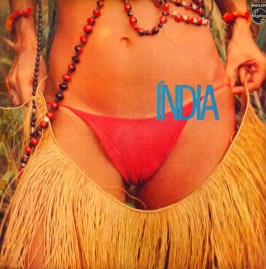
Gal Costa – “India” – This has some wonderfully eclectic and contrasting arrangements. I like it more than “Legal” and a few of these have uncomfortable mixes of styles – which I love. They don’t always fit and I appreciate the challenge they offer. Great album with some exceptional players. Banned and Hot cover!
“Presente Cotidiano’ – Not as eclectic as the others, but a beautiful sound and song.
“Relance” – Nasty mix here! And a live version for comparison! “Relance” (Stryx do Brasil – RAI TV 1978)” – Crazy stuff in that clip!
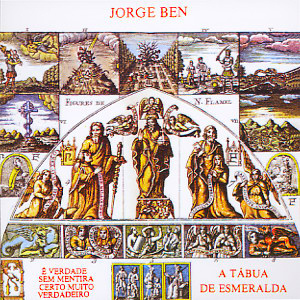
Jorge Ben – “A Tabua de Esmerelda” (1974) – Too much continuous good music….I am all about great songs and these are turning my ear. Overwhelming and glorious! The album themes are mysticism, theosophy and alchemy. It sounds more recent than 1974 and there are hints of more 70’s Soul style arrangements. The recording is also warmer?
It’s listed in friend Tom Moon’s “1,000 Recordings to Hear Before You Die” book.
“Menina Mulher Da Pele Preta” – A sample. This album is full and worth listening to whole.
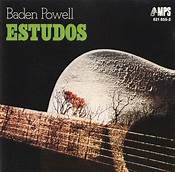
Baden Powell – “Estudos” – It was recorded in ’71 but released in ’74, and precious little is written about this recording. No liners, no musicians and not collected on YouTube as a full album. So I’ll try my best here. Baden Powell is known for mixing Classical guitar with Brazilian music his earliest hit performances were more Samba based tho contemporary to the success of Bossa Nova. He has written a few standard pieces.
If this recording is anything like his others then count me in. I am a fan and collector of Guitar Feature albums. Solo or Guitar forward is good to me and the 70’s is loaded with wonderful guitarists doing that: Sandy Bull, Fahey, Kottke, Robbie Basho and Rags for guitar. There are also loads of them in Jazz at this time like Joe Pass. This stands up to all of those and I recommend it to lovers of guitar. There are no other musicians listed but there is some experimental percussion that I love.
“Baixo de Pau” – Grooving!
“Pra Valer” – Gorgeous and incredible cymbals!!
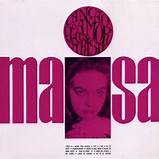
Maisa – “Canção Do Amor Mais Triste” – Oops, this 1962 album flips us back in time a little (So Samba in the Sixties here). the disc wouldn’t play except in my car so I forgot about it. Also Maisa with an I, not a Y, this time!! Pop Strings! None of these Maysa albums may be “THE” Maysa album but I’m enjoying them all. I picture Brazilian Grandmothers singing along and multiple coming of age scenes in movies to these songs. has an english version of “Round Midnight”. No real surprises and a few dullish arrangement but mostly pretty fun.
“Canção do Meu Amor” – This song has similarities of “Manha De Carnival” but it’s a different song. Maisa has a “mess around at your own risk” look about her.
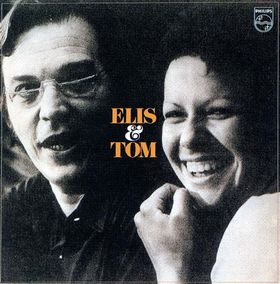
“Elis & Tom” – Back to the beginning of the trip with a perfect recording that truly captures a moment. Great songs by a great interpreter of songs, a huge voice, with the composer and glowing arrangements all captured with a sense of space in L.A.. One of my favorite albums, up there with “Kind of Blue”. I go to many of the classic songs on this recording to learn them as they are definitive versions. It also has made me love the sound of Portuguese, how Elis articulates words and the many “gshhh” sounds in the language.
“Inútil Paisagem” – It reminds me of Wayne Shorter’s “Fall” but with words, very deep and beautiful. “Useless Landscape”

Evinha – “Eva” – Two other “Eva”s and a “Evinha” in her recorded output and no indication on this album that she is actually called Evinha at all. There is a cheese smothered, groovy, English version of “Moon River” on here. At this point I’m guessing that singing in English, for a Brazilian, comes from Astrud Gilberto’s success and how she got her role singing “Girl From Ipanema” by being able to sing it in English. It probably is a suggested/expected thing for many popular singers of the time. But the other songs are playful Pop orchestrated cheese.
“Teto De Louca” – Has a Beatlesy vibe.
Caetano Veloso – Gal Costa – Gilberto Gil – “Temporada de Verao – Ao Vivo na Bahia” (1974) – A pair of concerts recorded and collaboratively released. There isn’t too much actual playing together more a sharing of the bill. The fact that these musicians do collaborate frequently, and record it, is a wonderful theme for these listenings, it transforms their styles into musical movements.
“Terremoto” – Gilberto Gil – Funky!

 Found Sounds
2 thoughts on “Part IV: Samba in the Seventies”