Playlist (*Note – Songs on Playlist are “Mix Taped” and not in reading order)
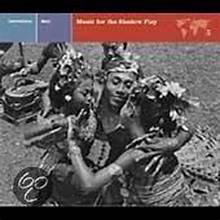
Bali – Music for the Shadow Play – Nonesuch Explorer Series, 1970.
🇮🇩 ✺ ❂꧂🌎📣 👁️⌛️:
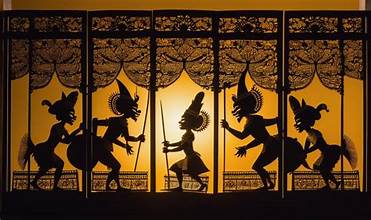
A traditional collection of songs from Bali. These songs are meant to accompany the Balinese Shadow Play, Wayang, featuring Gamelan ensemble. This is historically one of the first field recordings of music like this and one of various types of Gamelan music. Gamelan appears throughout South East Asia in various forms and has become a minor passion. The musical descriptions in most Gamelan recordings are usually full of theoretical assessments of what is occurring in the music – I see this only occasionally done (in Indian and Middle Eastern music) within the line ups for most World Musics. I think it counts on a Western Musically Literate audience to exist, which is somewhat ironic. Documentation is a critical form of recording. I do also think that Gamelan has an interesting influence on Minimalist music. The repetitive sequences and resonance of the wide variety of percussion has kinship with some of that Classic compositional style. The song I chose “Sekar Sungsang” is meant to accompany puppets walking. It doesn’t really employ the Gamelan Orchestra, instead something that sounds like a mouth harp.
Overall = 6.2 (10) – An important historical recording, and nice to listen to, but there are some aspects about listening to accompaniment music without the visual element that effect my appreciation for it. The music is good, but other Gamelan entrances me, this is more of a cool historical document. Get it!
V/A – Southern Country Blues vol.1: Down in Boogie Alley – Starsounds, 1997.
(Rec. 1924-1941, by State/Region)
🇺🇸 🏙️📣🌳 ⏺️ ❂ ✺ 🎸⌛️:
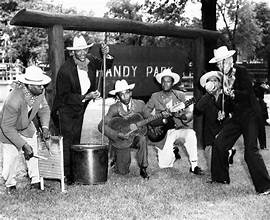
This is a 3 CD set (only Vol. 1!) has a vast collection of what is usually described as Classic, Folk or Country Blues with a couple more modern artists scattered in. They choose the regional tact including Blues artists from: Memphis/Mississippi Delta; Alabama/Eastern States and South/Mid-Western states. The recording quality is excellent and I appreciate the mapping of these performers. The dates jump around a bit too and there are many artists I am less familiar with, as well as many artists I have collected in my Blues wanderings. I am choosing a less familiar artist for the song choice and we can hit those more widely known artists when we reach their places in my collection. The Delta always receives the most attention publicly, I really appreciate the attention to the less familiar artists. “Stealin’ Stealin’” Memphis Jug Band
Overall = 7.3 (10) – Great historical document, with plenty of “Popular” Blues mixed in so it tells a story. Unfortunately this collection is hard to find and also probably only for people who are lovers of this Music.
Lorez Alexandria – The Great – Impulse!, 1964.
🎺 ⏺I!🎹🗣️:
An unusual vocal release on Impulse! records, who are more known for their fiery Avant Garde and late period Coltrane recordings. There are a handful of more swinging type recordings on that label as well, and maybe this was meant more for that side of the label. Good bands, both a Big Band and a variety of small groups from Trio to Sextet. It feels cohesive despite the changes in ensemble, I favor the Big Band sides over the small groups. Her voice is solid, but unspectacular, I think her delivery is the most personal part of her singing. She can stretch the beat. “Over the Rainbow” stuck out for me, with an interesting intro borrowing from “I Can Sing a Rainbow” which came out in 1955.

Overall = 5.3 (10) – Nice album, it’s a get if you are interested in vocalists. Get it!
Ray Barretto – Rican/Struction– Fania, 1979.
🌶️💃🏽🪘🪩🎨🗝️✪⚒️:
I fall hard for Faniarecordingsand they are hard to find. Seems like the company Fania leases reissues out to other record producers and the reissuing collections bounce around between different companies with little organization or consistency. I only hope that they can get more centralized, like Blue Note Records, to capitalize on their extensive back catalogue. I see Fania CDs then buy them! This is not considered Barretto’s finest recording, but it is excellent. He is a key figure in both Salsa and Jazz Musics and he has an extensive discography. This is a top recording for me. Apparently it was a comeback album after he was in a car accident. I can imagine injuries being difficult for drummers considering the way they use their bodies to perform. Hard choices for songs but for this “Un Dia Sere Feliz” with a particular shout out to bassist Sal Cuervas!
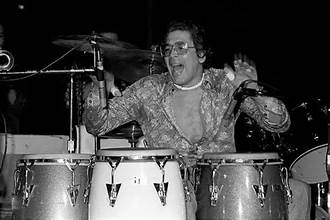
Overall = 8.7 (10) – Underrated! Get it!
Cannonball Adderley – Sophisticated Swing: The Emarcy Small Group Sessions – Verve/Emarcy, 1956-1958.
Collecting – Nat Adderley to the Ivy League; Cannonball Enroute; Sophisticated Swing & Sharp Shooters.
🎺𝍍🎶 ⏺V 🎷⏺️ 🎭 🗝️:
A critical figure in Hard Bop and Soul Jazz. Cannonball Adderley advanced the sound of the Alto Saxophone and became one of the most Jazz popular performers of the late 60’s and early 70’s. He is on at least 6 Iconic recordings and also several iconic songs. This collection of recordings documents the first Adderley Quintet with his brother Nat. I’m a huge fan of Nat too, as well as his song writing. The group was designed as a Cannonball feature but it is more collaborative than it appears. Collectively these are fun, bright and funky recordings which hint at the future, and more iconic, version of the Adderley Quintet. This quintet period ends when Miles Davis hired Cannonball for his group. “Sam’s Tune” take one. Hot Solo Alert!
Overall = 6.2 (10) A great listen without being essential.Get It!
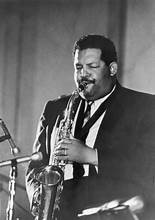
& Domination – Capitol, 1965.
🎺𝍍🎶 ⏺ ♫🎷 🎭 🗝️ 🫂 𖫪 ➕:
This album is about 8 years later. Adderley is ensconced as a popular performer and in the middle of his most successful iteration of his Quintet. And with that popular status opportunities to record in diverse settings appear. Here in an interesting collaboration with the Saxophonist/Composer/Arranger Oliver Nelson who was leading his studio orchestra. It gives us an infrequent opportunity to hear Cannonball featured with a Big Band. Additionally, there is an obscure Joe Zawinul long form piece, with a different orchestra, at the end, as a special bonus track. It seems to play with a more avant garde setting, which is also an interesting situation to hear Adderley experiment on. The song I chose is “Introduction to a Samba” and I don’t feel the Samba here as much as a tone-scape that reminds me of Gil Evans orchestrations from Sketches of Spain.
Overall = 5.9 (10) – It’s great to hear Cannonball in these settings, but also not one of his more critical recordings. In fact I wouldsuggest the unusual setting is the reason to get this. Get It!
Carmell Jones – Mosaic Select #2 – Mosaic/Pacific, 1961-1963.
Collecting – The Remarkable Carmell Jones; Business’ Meeting; Brass Bag, Jazz Impressions of Folk Music & an Unreleased Session. LE-OoP
🎺𝍍🎶 ⏺M ⏺️:
An interesting collection to follow the Adderley sides. These are West Coast Hard Bop and offer a different (if less popular) interpretation of the style. I was familiar with Carmell from his playing with Gerald Wilson & Horace Silver and pretty much salivated for this Mosaic Select collection when it was released. It features 3 Jones albums, an unreleased collaboration with Frank Strazzeri, a Brass heavy album collaboration with Tricky Lofton and a rare Harold Land album featuring Jones. Gerald Wilson arranges a few of the albums too. That is a strong combo of rare recordings, under recognized artists and creative contexts which pays off with general excellence. Unfortunately this is out of print and I have never seen the individual recordings reissued on disc. “Night Tide” and “That’s Good”.
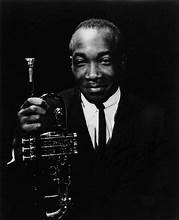
Overall = 8 (10) – Excellent if you are a fan of the artist or this particular era (’55-’65) of Jazz.
Susanne Abbuehl – April – ECM, 2001
🎺 🗣️ 🌃 🎧 ⌘ ♛ 🤿 🛁 ❤️🔥:
Abbuehl is an experimental singer, but in a dream-like and beautiful way. This recording is her first for ECM and all 3 ECM recordings are going to be reviewed in a cluster here. She often uses famous poetry that she brings to music. She is very creative with her approach to repertoire. She makes the material hers and tends to favor ensembles with clarinet, which I appreciate. I return to this album frequently, it’s a dream and it feels like a memory. “Ida Lupino” this version, of the haunting Carla Bley song, is something I have previously arranged for saxophone quartet.
Overall = 9.1 (10) – I love it, touching and sombre. Get It!

& Compass – ECM, 2006
🎺 🗣️ 🌃🎧 ⌘ 🤿 🛁 ❤️🔥:
All Abbuehl’s music has a sense of adventurous beauty. This album follows that path, though the ensemble feels more featured here and the clarinet particularly. This group appears to be her working ensemble, rather than a selected group of participants for the recording. This creates a particular sense of synergy and a feeling of telepathic communion. I recognize that telepathy most between her voice and the piano. It is most likely a product of continuous rehearsal and collaborative arranging, but the ensemble has a sympathetic connection. “Sea, Sea!”, James Joyce put to song.
Overall = 8.5 (10) – So dreamy, interesting song choices.Get It!
& The Gift – ECM, 2013
🎺 🗣️ 🌃🎧 ⌘ ♛ 🤿 🛁 ❤️🔥:
A continuation of the sound, but with some growth and here a trumpet instead of the clarinets. The brightness of the trumpet offers a different foil to her rather dark hued voice. They still perform as an intuitive ensemble with a concern for arrangements that feel natural, perhaps these arrangements define improvisational organization rather than specific parts. This music never feels contained, but well conceived.
Overall = 8.8 (10) – The song choices here are really challenging and the ensemble variety is fresh. Several of the songs have me contemplating My Love. Get It!
Louis Armstrong – Satchmo Serenades – Verve, 1949-1953
🎺 🗣️ 🗝️ ⏺V🎨📔 :
A collection of crooning style vocal performances from the King. In some ways this can be viewed as non-essential Armstrong, because it focuses on his voice and not his trumpet. But Armstrong is also one of the most important American vocalists and performers (as well as the critical trumpet player and improvisor of the early 20th Century). Sy Oliver as feature arranger is an added bonus, with a wide variety of instrumentation at his disposable. This version of “La Vie en Rose” is both iconic and popular.
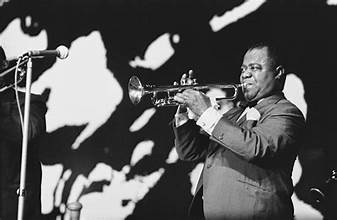
Overall = 8.2 (10) – Any Armstrong isof value, this is the one to give to the lover of songs in your life and let them immerse in his masterful interpretive qualities.Get It!
Joseph Arthur – Come to Where I’m From – Real World, 2000.
🪨🫧🗣️⎄ 📝:
I was really deep into this album in the early aughts after its release, even seeing him once live in Ardmore, Pa.(?) and getting a roommate hooked. At the time he was the only really American Pop/Rock Musician on the Real World label, Peter Gabriel’s label which mostly features International musicians. It’s moody, dark and intense – which was perfect for my late 20’s post-break up, not finding any loving self. “In the Sun”
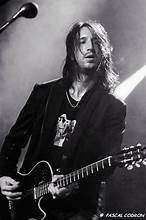
Overall = 6.7 (10) – I would have rated this higher 20 years ago, it’s not exactly dated, more my needs at the time were dated. It’s still pretty great!Get It!
Johnny Adams – The Real Me: Sings Doc Pomus – Rounder, 1991.
🔈🏙️🗣️ 📝 ⎄ ✪ 🦐⛪️🫂 🕸️:
This can be viewed as a classic recording of New Orleans Rhythm & Blues, captured out of its heyday, but involving many important artists from that heyday. You can view it as an iconic vocalist interpreting an iconic song writer’s material, Doc Pomus here. The liner notes declare it is a “perfect” collaboration of voice and material. And I searched it out on Tom Moon’s recommendation in 1,000 Recordings to Hear Before You Die: A Listener’s Life List. It’s maybe all those things. It’s perfectly played, glossily recorded and perhaps too 90’s clean for me to become completely smitten with it. I love the horn section, very flexible, and the songs are perfectly written and performed. “The Night is a Hunter”
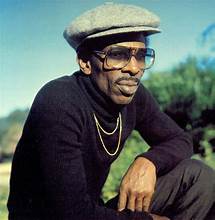
Overall = 8.7 (10) – This would be a great album to cook to, with a friend. Get It!


