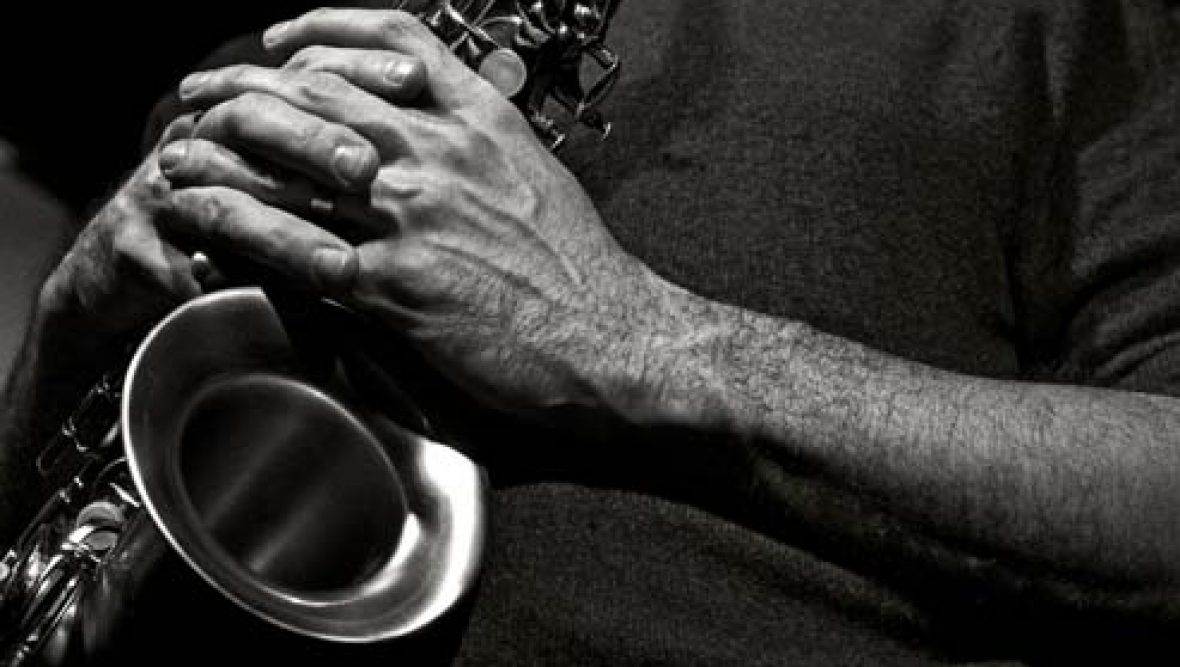
Method to the Madness I (What was pulled from where): Always a mix of sleeves and cases. Mixed genres including Rock/Pop; American Roots/Blues/Gospel; Ambient/Electronica and a few International recordings with Africa and Asia/South East Asia as focuses. Also something from Smithsonian Folkways and a Non-Mosaic Box set.
Babybird – Ugly Beautiful – Atlantic, 1996.
🪨🫧 🪩🪦:
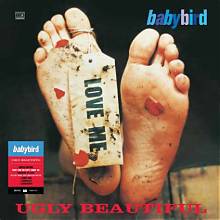
I received a recommendation for this album from a close friend back in ‘96, however I dislike most of this album now. Clearly Babybird is studio savvy, but again an issue occurs when simple musical elements are produced digitally, they are perfect and yet so boring without a person breathing life into them. I’m not sure I love his voice either. I think the recording sounds dated to the 90’s, it cops some elements from popular bands like The Cure and the song writing does not win me over. I think the band leader, Stephen Jones, engineered the music and then had people play it, but it sounds really dead to me now. “Dead Bird Sings”
Overall = 2.4 (10) – Only one song I really appreciate now. Get it!
Johnny Cash – American Recordings – American, 1994.
🇺🇸📣🌾🐴🌳✪🗝️🎗️🕸️⚰️:
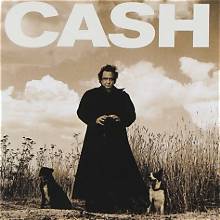
I went through Johnny Cash’s American recordings backwards, or at least listened to the first album last. I think this is the best one. The most complete album and I have the fondest memories of the songs on it. It really doesn’t follow the formula that the others do, nor does it have the “hit” cover songs, but it is Johnny Cash spinning yarns for an entire album. The songs are good ones and range from Gospel, to dark murder ballads and Cash can inhabit either extreme, conveying authenticity in either context. I think this was perhaps my true adult introduction to Country music and though I had heard plenty of Country music as a young person I found it peripheral and uninteresting. Much of music is built around the personas and Johnny Cash, like Miles, or Prince, or James Baldwin, all appeared to have lived a life and I felt a strong urge to learn from their respective approaches to existence. “Delia”
Overall = 9.1 (10) – This started Mr. Cash’s late career renaissance. Get it!
Eddie C. Campbell – King of the Jungle – Rooster Blues, 1996.
🇺🇸📣🏙️🎸⚒️:
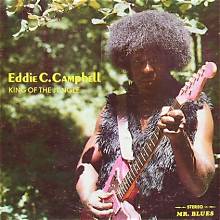
B+ 90’s Blues with an A+ cover. I usually avoid most post 70’s Blues, because the recording approach, being in the digital age of recording and the A&R elements found in most Popular music, to me, are at odds with the aesthetics I enjoy about Blues music. Country, Electrified/Chicago Blues, mixed with Soul, Jazz & R&B, those influences do not bother me at all, but when something draws my ear away from the simplicity of the style, and form, it starts to eliminate its authenticity. I just heard an A.I. Blues in an Uber and it sounded good – scratchy, warm, emotive voice; uptempo Soulful rhythmically, endlessly changing sections, too cute lyrics and eventually just a clear imitation of people who actually sing Blues. It was well designed in some ways, it just clearly stepped outside of the form, as well as out of humanity. I don’t know Mr. Campbell’s other work, but here, on the cover as a guitar playing cave person, he brings all the necessary elements of the style without turning it into a stiff, cliched Rock version of the Blues. “Red Rooster”
Overall = 5.4 (10) – Fun, if not essential, modern Blues.Get it!
Brian Eno – Music For Films – Eg, 1976.
🌌⚡️✆❂⎄ 🗝️🎨 🦋🌃🤿🕳️:
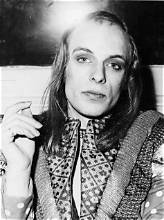
In some ways ambient music is a perfect fit for scoring films, in others it naturally changes one of its primary characteristics – trying to achieve a type of listening that involves sensing, or feeling, rather than actively listening. Most ambient music I listen to feels more textural (not in the definition of musical texture manner) and promotes an aura that colors my mood and helps me relax. My definition is it is getting Zen musically. These tracks all do that, but they are a collection of various different film pieces that Mr. Eno composed electronically. Drones, loops, industrial hums and rarely any hint of beat or melody – though definitely lots of pulsing, swelling and glowering. He was, and is, a forerunner of experimental music and definitely the first major popularizer of this style of composition. “Quartz” & “Inland Sea”
Overall = 8.3 (10) – It is pretty cohesive, despite having a variety of different film pieces on one disc. Get it!
John Hassell/Brian Eno – Fourth World vol. 1: Possible Musics – Eg, 1980.
🌌⚡️✆🔮🌍🫧🫂🗝️🗝️🎨🕳️⨻:
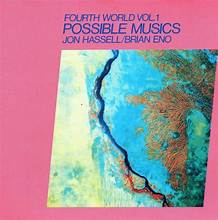
The start of a second groundbreaking style “Fourth World” and birth of an important collaboration. “Fourth World music” is a musical aesthetic described by Hassell as “a unified primitive/futuristic sound combining features of world ethnic styles with advanced electronic techniques.”(wikipedia). Both musicians became interested in the music of other cultures (World Music, Traditional Musics etc.) in the 70’s. I believe Brian Eno introduced musicians like The Talking Heads to musics from around the world when he produced them. And Hassell came from experimental Western music to craft a career from interpreting World music in a collage, technological manner. This music is actually a harder listen for me over the previous disc, more interesting, more about what it will become than what I like in it now. Sometimes it reminds me of electric Miles Davis, yet it doesn’t really sound like that music, maybe something spiritually similar. “Rising Thermal 14° 16′ N; 32° 28′ E”
Overall = 7.1 (10) – Important music, but I put it on less frequently. Get it!
Sister Gertrude Morgan – King Britt presents – Rope a Dope, 2005.
🇺🇸📣🌳🗣️⛪️📣🔮🫂🪩⚡️⌛️⨻:
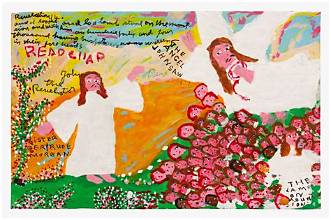
I recall enjoying this unusual collaborative project more when it arrived. Sister Morgan released a Gospel album, which became a sort of hard to find album that collectors were hunting for. That album was rereleased on CD in 2004 and King Britt added beats and electronic accompaniment to the otherwise A Cappella and tambourine tracks to the album here. He won awards and received considerable acclaim and at the time I think I felt like it was groundbreaking and exciting, bringing new audiences to her music. Today the added music feels extremely dated and I’m not sure how many people were actually converted into fans of hers, nor was a deeper interest in traditional music cultivated. I think the intentions were positive, but I think reconfiguring old music and adding new elements to it – particularly without the guidance of the original artist – is suspect. And also dance-based music has a short shelf life and mostly persists in a nostalgic way rather than fans persisting to dance to last week’s hit. “New World In My View”
Overall = 4.2 (10) – Interesting idea, that hasn’t aged well for me. Get it!
Beach House – Once Twice Melody – Sub Pop, 2022.
🪨🫧 🪩❂◐❤️🔥🎧🎑:
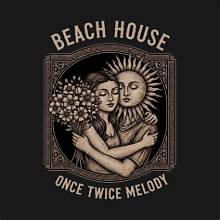
Both a double album and a collection of 4 EPs that were released separately over a few months after the Pandemic. Listening to it now I questioned whether double albums are naturally intended to be listened to in their entirety or should I listen to this in 4 installments? Are they intended to be like chapters in a book or are they 4 separate experiences? It does work as a collection of related songs, but that changes the perspective on a staggered release as a marketing plan. And these songs sound both like a Synth Pop Beach house album and also like people who were trapped in a pandemic figuring out stuff to do while stuck at home. It continues the move away from highlighting Victoria LeGrande’s voice and though I am usually a fan of electronic exploration I think a tenet of my Beach House fandom is that I love their simplicity. When that simplicity is created digitally it begins to sound simple and basic. I enjoy the 2nd disc more and there are many songs I like between the two, but its the first Beach house release that I didn’t spend weeks immersing myself in. That makes me a little sad, different magic, more distant feelings evoked. “The Bells”
Overall = 7.2 (10) – A noticeable transition away from what I most enjoy about this band, and not as interesting for me. Get it!
James P. Johnson – The Original: 1942-1945 Piano Solos – Smithsonian Folkways, 1996.
🍏🌾❂🎹⼵🎗️⌛️⚒️🕸️🪄⨻:
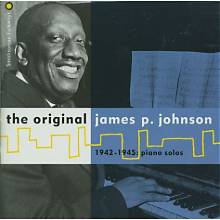
There were many outstanding pianists in the 20’s-30’s at the peak of early Jazz who were often working in a different tradition than the Classic New Orleans Jazz and popular Blues recordings, though the styles mixed and blended. James P. Johnson was one of the greatest of those pianists, composer of “The Charleston” a dance craze and contributing to Musical theater which somewhat kept his profile out of the spotlight. He was essential, an absurdly gifted keyboardist, and this collection came somewhat later in life and was meant to celebrate his career. On Folkways/Asch recordings it came after a surprisingly successful similar project featuring Jelly Roll Morton. However the success of that early project came from Mr. Morton’s candid and profane historical recollections which were somewhat edgy and shocking to listeners. This collection is all about the piano featuring explorations of tunes Mr. Johnson composed and Standards he was associated with. It features an overture-like version of his long form composition Yamekraw, which had previous performances and a film, but this version is the most accessible recording and he didn’t receive much acknowledgement for this early Jazz long form composition. These recordings, at the end of his life, were made after he suffered a stroke and though perhaps not at the peak of his craft he has plenty to say on a keyboard. “The Dream”
Overall = 8.5 (10) – A history of early 20th century piano. Get it!
Hamza El Din – Eclipse – Rykodisc, 1988.
🌍🇪🇬📣⌘🚘⚖️👣📹👁️🦋🦴🎑:
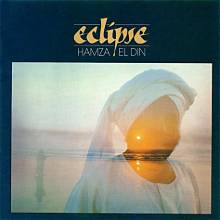
Nubian music from a master oud player, earlier than a previous disc we listened to on In The Stacks, but still an important document of a music that travels, is nomadic and from a place that has changed into somewhere new. The music evokes lost worlds and wide open spaces. It is titled Eclipse, but Ruminative Oud would also work. “Your Love Is Ever Young” is a lengthy piece and it draws me into far off gazing, rhythmically loping along as if on horse, or came,l and I imagine it as a continuous journey across the horizon.
Overall = 8 (10) – If you wish to be transported, this can take you there. Get it!
VA – The Sound of Siam: Leftfield Luk Thung, Jazz & Molam in Thailand 1964-1975 – Soundway, ?.
🌎🇹🇭🫧✺❂📣🔮⨻:
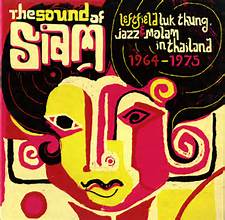
This collection is intensely hip and it will transport you to a distant place, but also remind you of Pop music from the West. It’s a great party disc, with danceable grooves and the vibe that you are in an open air bar, the band is standing around in the same space as the patrons, people are dressed, but a mess. It’s fancy cocktails and cheap beers, hot and wet jungle temperatures. There are intoxicated rituals with no memory to revisit their pathway and this party might not stop till the sun rises. Music from the kind of place where you let go of your inhibitions and roles in life and accept the flow of life. Be where you are. Onuma Singsiri – “Mae Kha Som Tam” & he Viking Combo Band – “Pleng Yuk Owakard”
Overall = 7.7 (10) – A catchy way to transform your moods. Get it!
VA – Hamdulillah: Volume II, Fes Festival World Sacred Music – Sounds True, 1998.
🌎🫧🇲🇦📣✺❂⨻:
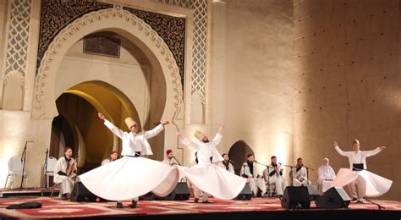
A rich collection of devotional music from around the world. The peak performance being the final 40 minute piece featuring the Whirling Dervishes. There is plenty of range in the music here, from ancient pieces to more modern works. My wonder is… Were the songs plucked from longer sets and what was the length of this festival? Was it more of a specific show with a wide range of performers that could be taken in for an evening or a collection of short performances. There is Jewish and Arabic music on stage together. I also wonder if the festival persists today? Are these people, who are at odds, still attempting to come together through music and worship? I feel pessimistic thinking about the regressions of the past 30 years. The songs are not individually available on YouTube individually, but the entire set is.
Overall = 6.2 (10) – A nice collection, but the diversity sends the music in different directions which the devotional theme perhaps does not connect well for listening as a 2 disc set – but probably would for a live audience. Get it!
VA/OS – Jazz In Polish Cinema: Out Of The Underground 1958-1967 – Jazz On Film, ?.
⏺️🇵🇱🎺🎥❂✺🆒⎄ 🗝️🎬🎞️🫂👜🪄🔮:
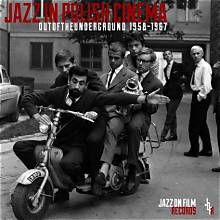
This collection includes the scores from ten Polish films, featuring the compositions and early bands of Krzysztof Komeda & Andrzej Trzaskowski. Mr. Komeda was the more well known of the two, particularly because he created the scores to Knife In The Water (part of this collection) by Roman Polanski, which is also the only one of these films that I have seen, and also Rosemary’s Baby. The films included here: Two Men and a Wardrobe; Night Train; Jazz Camping; Innocent Sorcerers; Knife in the Water; Opening Tomorrow; The Accident; The Penguin; Walkover & Le Départ. I would love to know what the Polish Jazz scene was like in this time period to inspire Jazz music’s use in so many films? I know Mr. Komeda’s work from outside of his film music and usually consider him to be experimental and avant gard in his methods. The music on the first disc suggests Cool/West Coast Jazz with some experimentation growing continually throughout the collection. I find Miles’ Ascenseur pour l’échafaud score has similarities to that 1st disc, but here the music has more resolution and more outside of the Film listening potential. I wonder if it is more diegetic, meaning actually performed in the film and existing for the characters or if it is more of a background score. This music definitely attracts the attention, these being experimental films there may be some in-between ideas of how the music should affect the film. “Knife in the Water 6” (listed as #7 in my collection?)
Overall = 6.7 (10) – Nice set, but pretty esoteric and probably more for people interested in the performers, composers or films. Get it!


